
Category: Computing
-
Foveated Diffusion: Efficient Spatially Adaptive Image and Video Generation
Explore how foveated diffusion models optimize content creation by enhancing efficiency through human gaze tracking and mixed-resolution techniques.
-
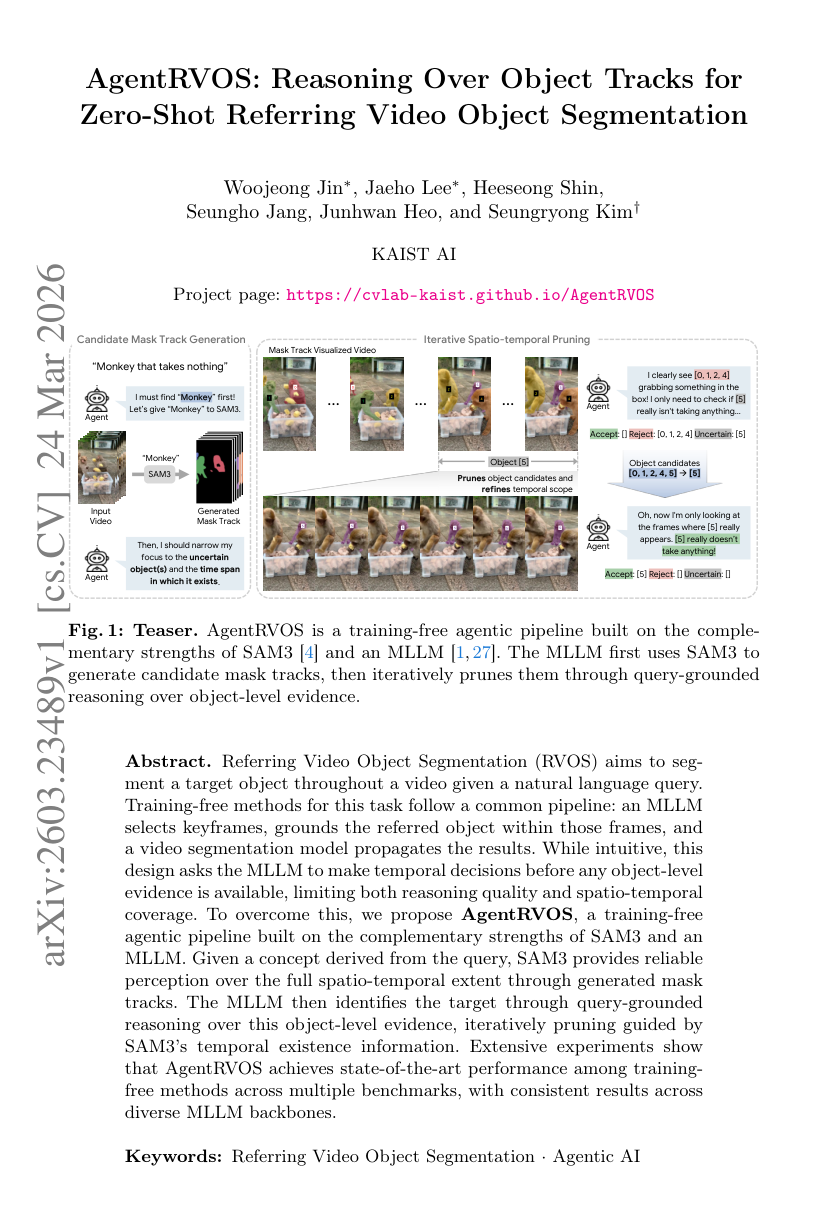
AgentRVOS: Reasoning over Object Tracks for Zero-Shot Referring Video Object Segmentation
Discover how AgentRVOS enhances Referring Video Object Segmentation (RVOS) using innovative training-free methods for improved video analysis.
-
Minimizing True Risk in Multi-Node Distributed Learning
Discover how the Versatile Robust Label Shift (VRLS) method enhances multi-node distributed learning by managing label shifts, improving model performance significantly.
-
TETO: Tracking Events with Teacher Observation for Motion Estimation and Frame Interpolation
Discover how the TETO framework enhances event camera motion estimation with minimal data, improving tracking and frame interpolation quality.
-
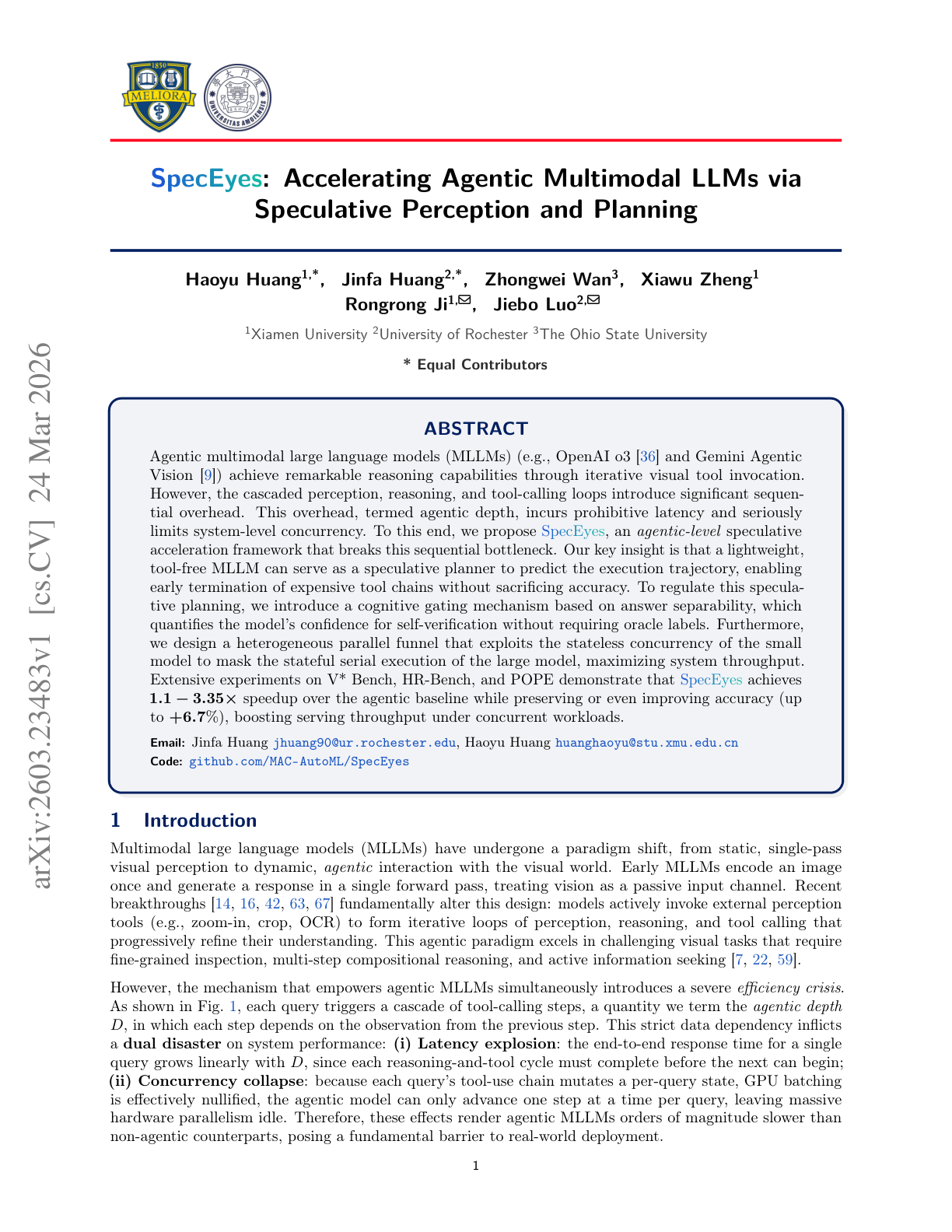
SpecEyes: Accelerating Agentic Multimodal LLMs via Speculative Perception and Planning
Discover how the SpecEyes framework accelerates agentic multimodal large language models (MLLMs) by enhancing speed and accuracy in AI applications.
-
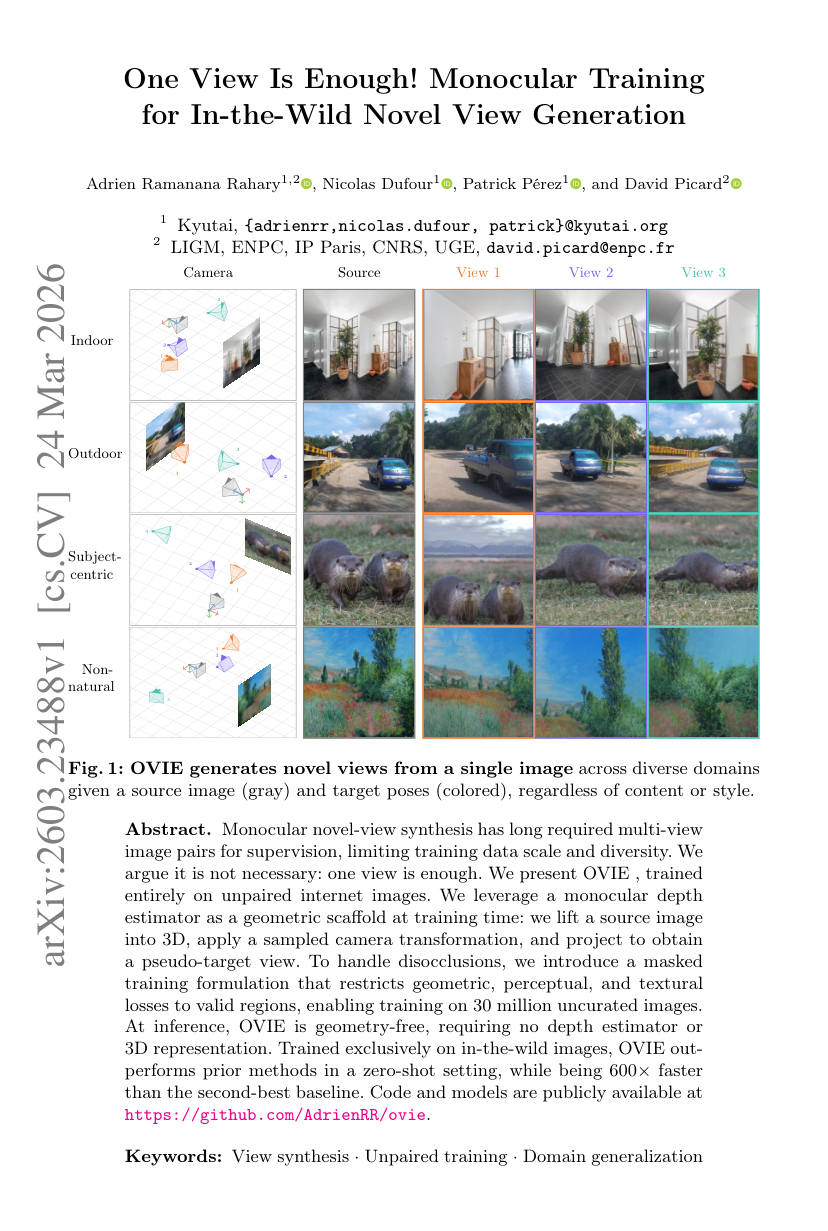
One View Is Enough! Monocular Training for In-the-Wild Novel View Generation
Discover how OVIE transforms monocular novel-view synthesis by training on single images, achieving faster and more efficient results than traditional methods.
-
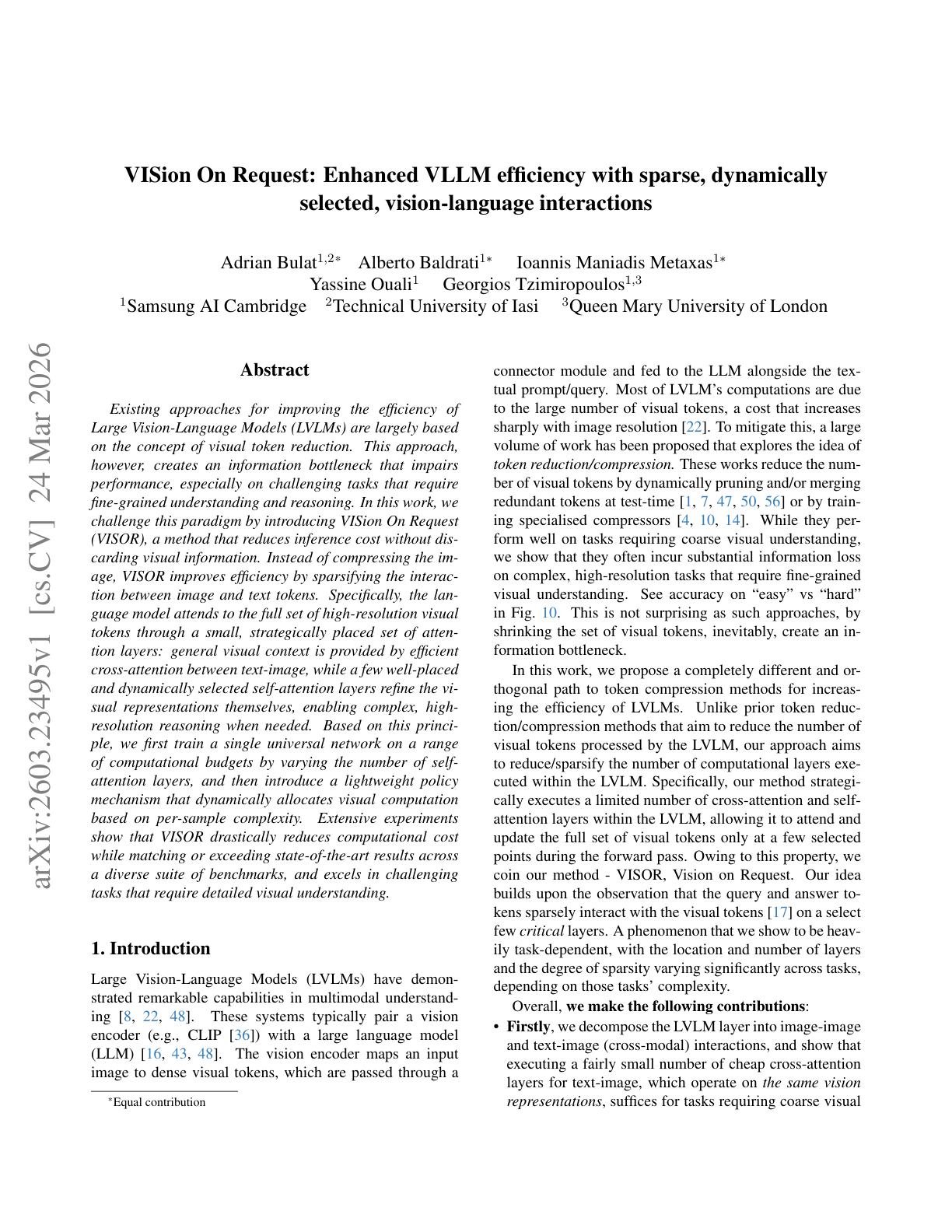
VISion On Request: Enhanced VLLM efficiency with sparse, dynamically selected, vision-language interactions
Explore how VISOR enhances the efficiency of Large Vision-Language Models, preserving visual information while reducing computational costs for complex tasks.
-

Exploring Novel Data Storage Approaches for Large-Scale Numerical Weather Prediction
Explore the performance of DAOS and Ceph object storage systems for HPC and AI applications, highlighting their advantages over traditional file systems.
-
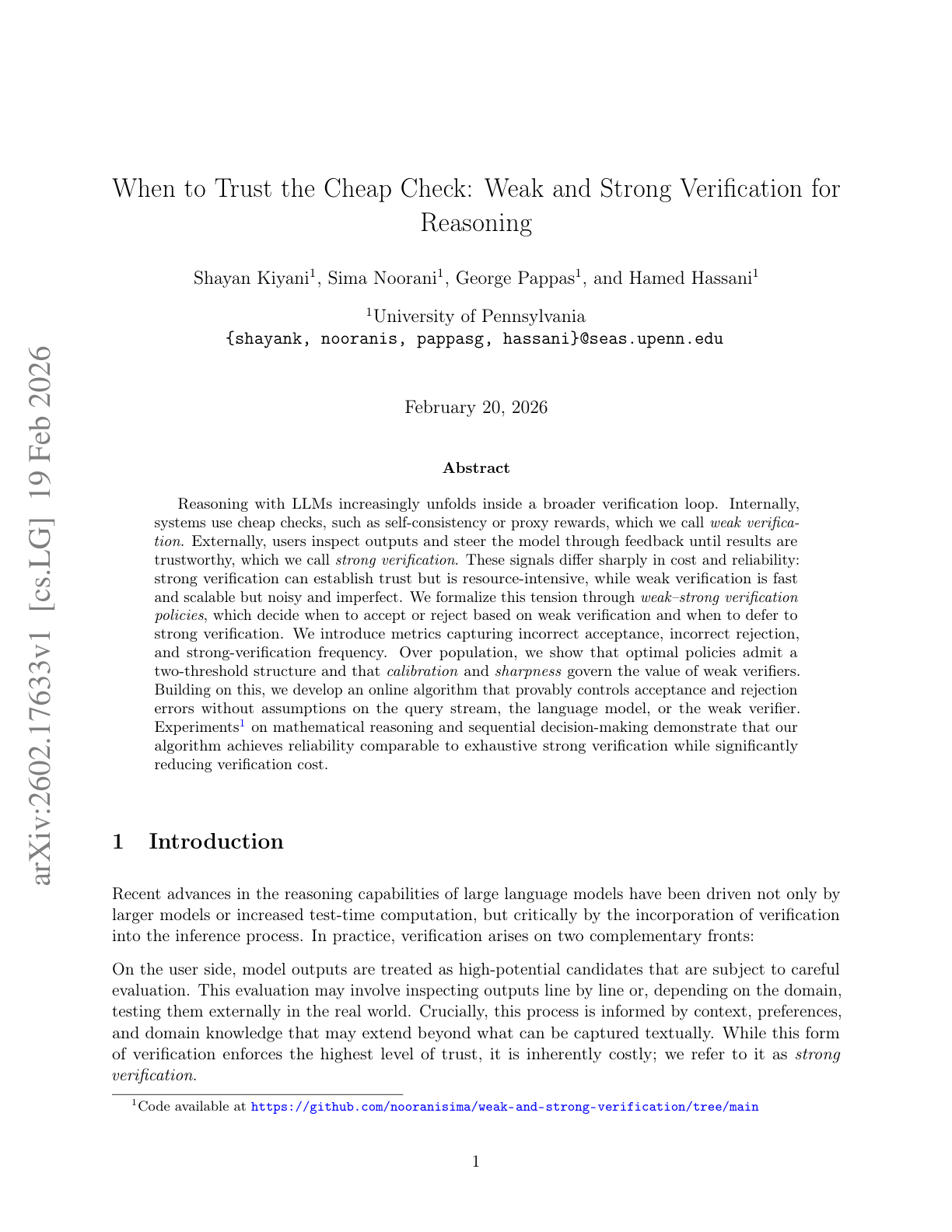
When to Trust the Cheap Check: Weak and Strong Verification for Reasoning
Explore the balance between weak and strong verification in large language models, enhancing output trustworthiness while managing resources effectively.
-
MARS: Margin-Aware Reward-Modeling with Self-Refinement
Discover how MARS enhances reward modeling in AI by targeting ambiguous preference pairs for improved training efficiency. Learn more!